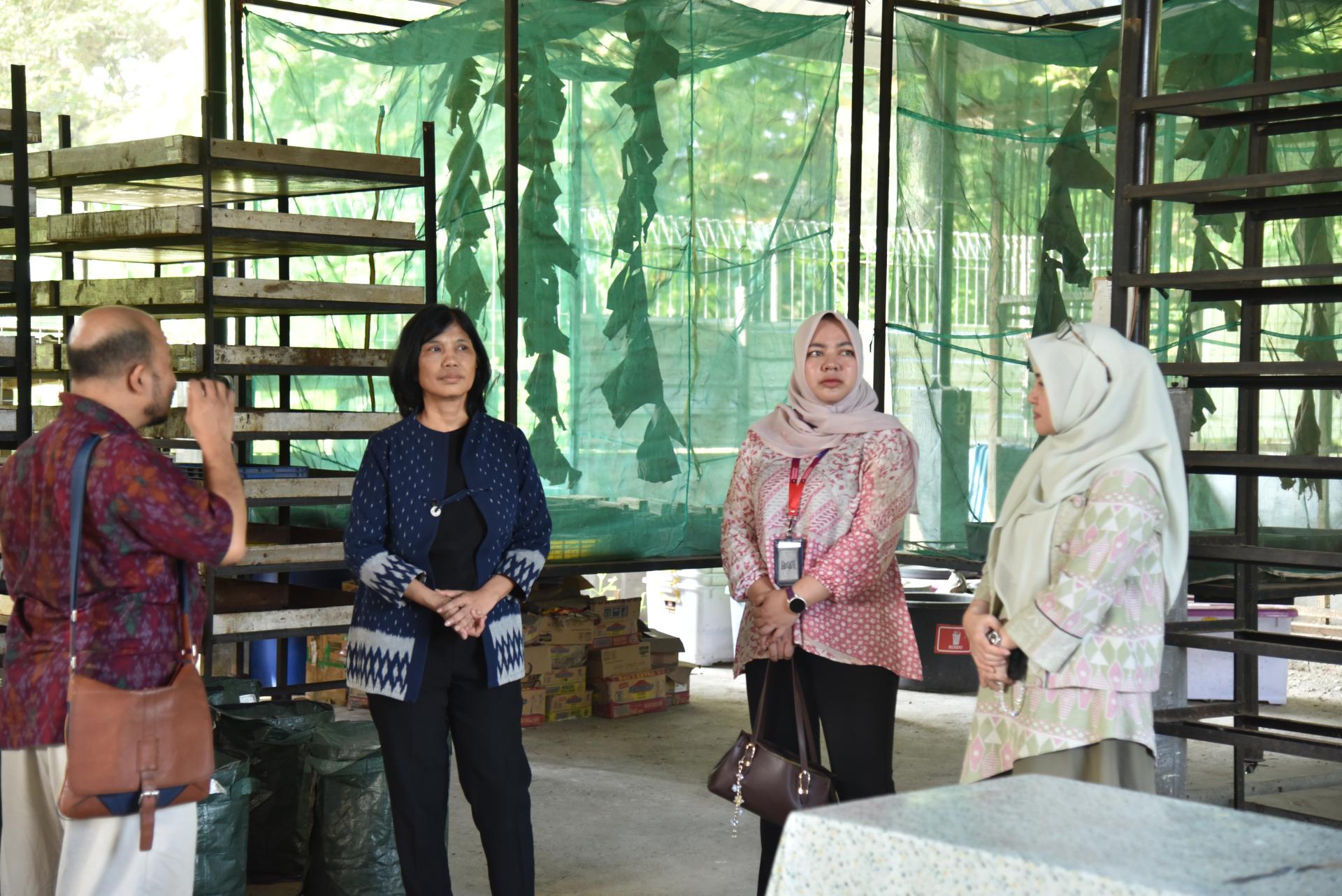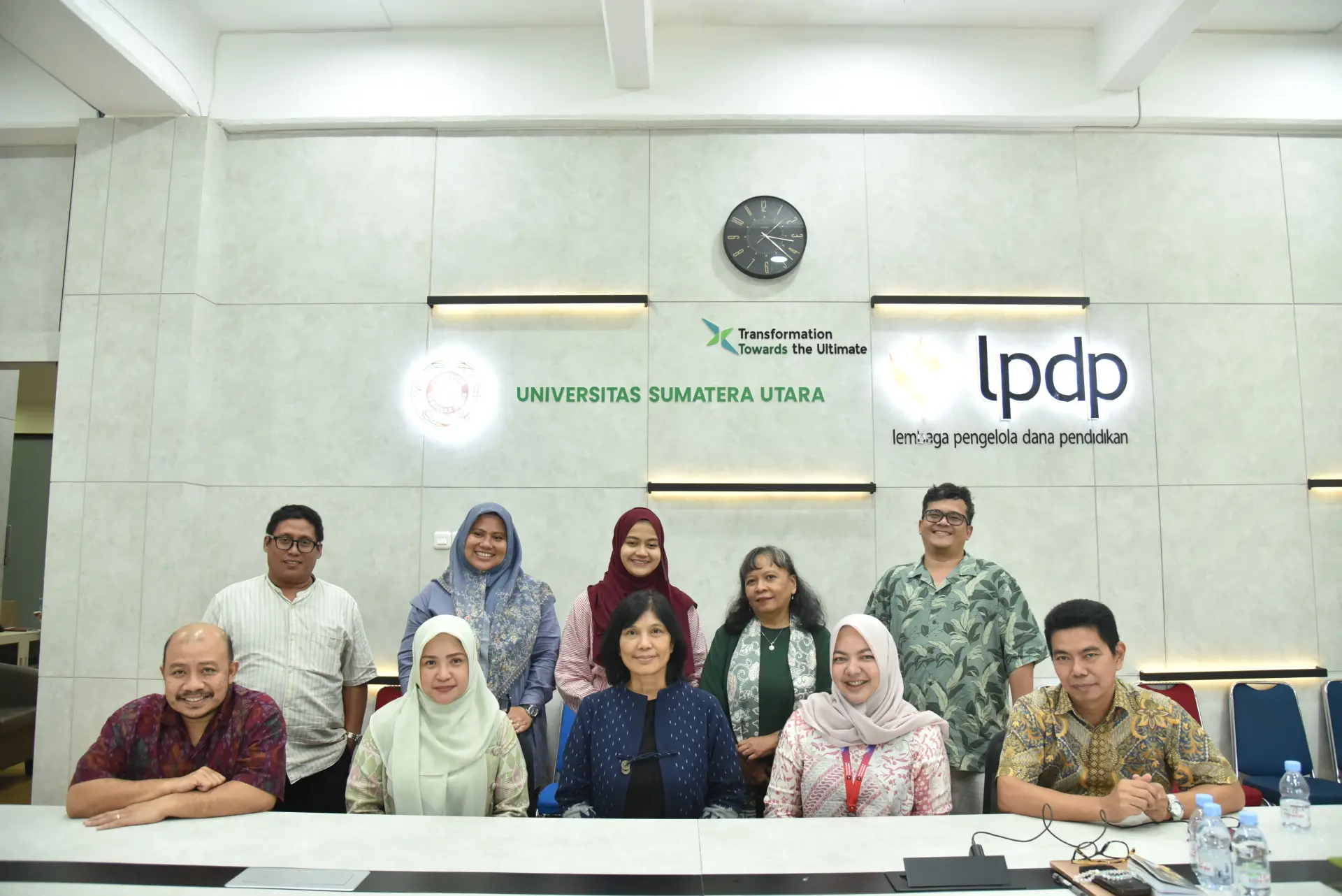
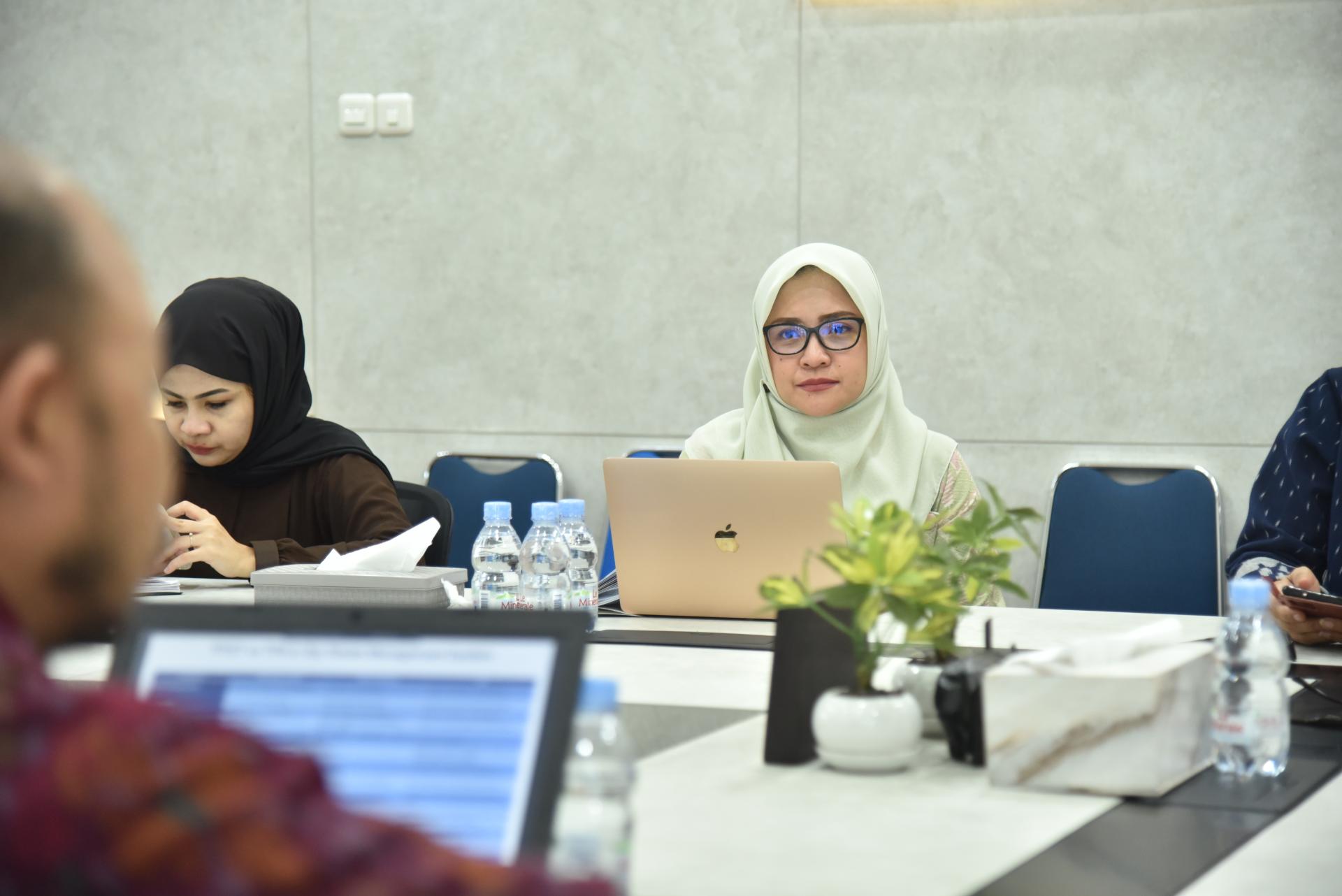
The visit was attended by BTN representatives, including Vidy Aryo Fajar, Head of BTN’s Sumatra Regional Office, and Shindy Zara, Branch Manager of BTN USU Sub-Branch Office (KCP USU). Representing USU were Prof. Dr. dr. Dewi Masyithah Darlan, DAP&E, MPH, Sp.ParK, Director of Partnerships and Internationalization; Dr. Ir. Noverita Sprinse Vinolina, M.P., Director of the Directorate of Innovation, Sustainable Development, and Science and Technology Park; and Zaid Perdana Nasution, M.T., Ph.D., Head of the USU Circularity Center Center of Excellence (PUI).
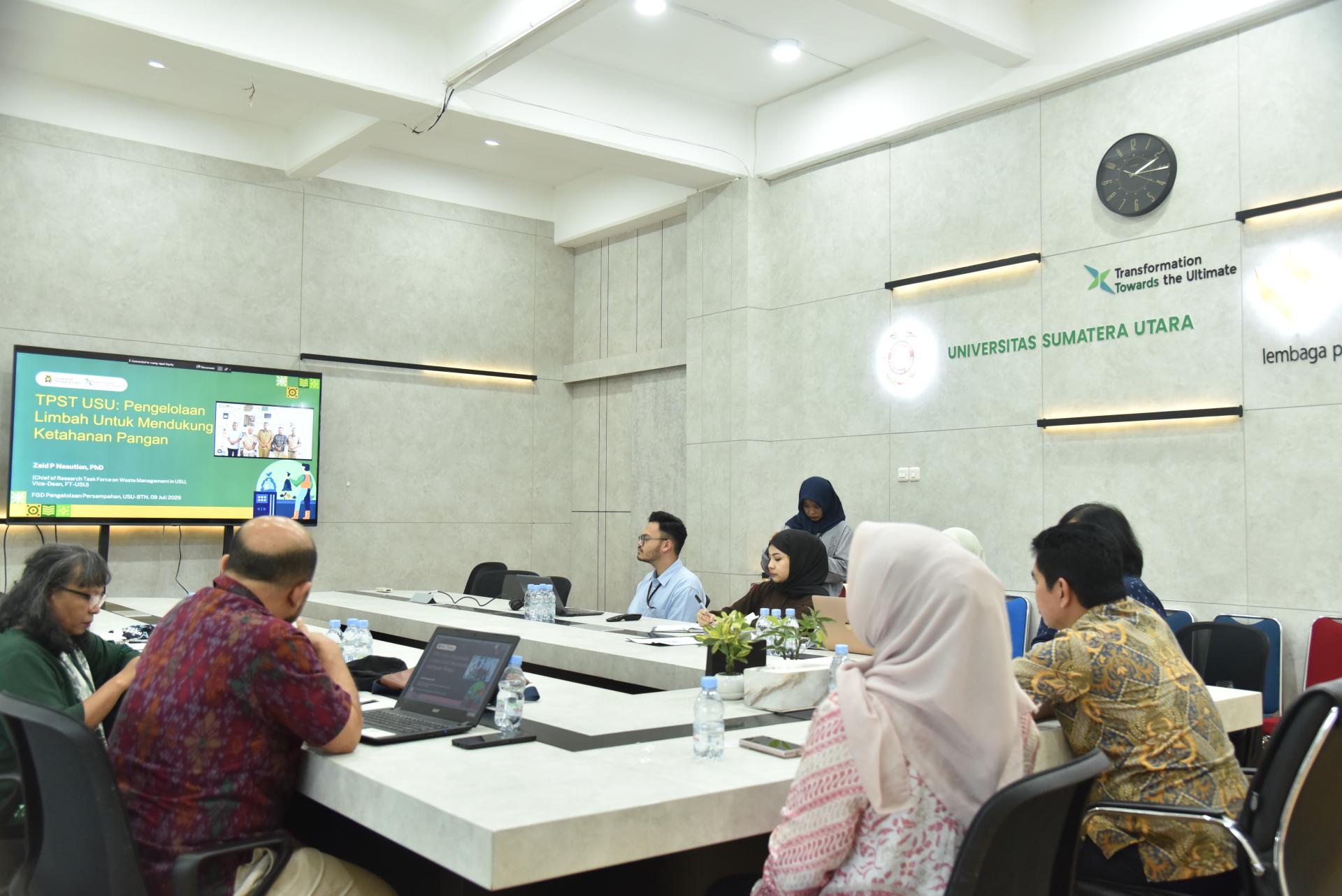
The visit formed part of an effort to bridge university innovation with industry sustainability programs. BTN has consistently embedded sustainability principles into its policies, products, and services as part of its long-term business strategy. This approach ensures that business growth not only creates economic value but also contributes positively to social well-being and environmental preservation.
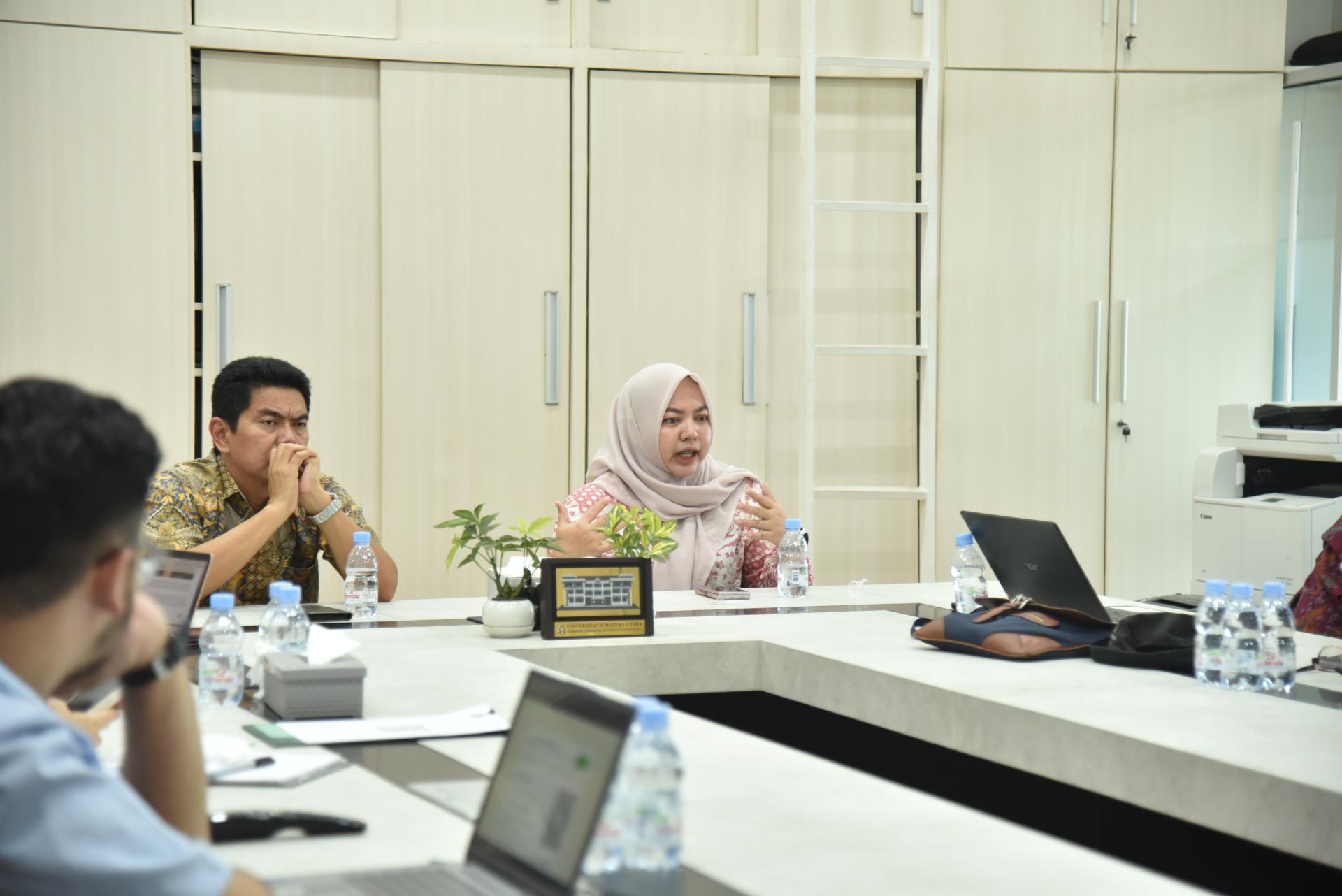
BTN's commitment to sustainability is reflected in its 5P Principles—Planet, People, Peace, Partnership, and Prosperity—which serve as the foundation of its sustainable finance initiatives. Through programs such as low-emission housing, expanded financial inclusion, circular economy development, and multi-stakeholder partnerships, BTN continues to integrate sustainability into every aspect of its operations while supporting the Sustainable Development Goals (SDGs) and Environmental, Social, and Governance (ESG) principles.
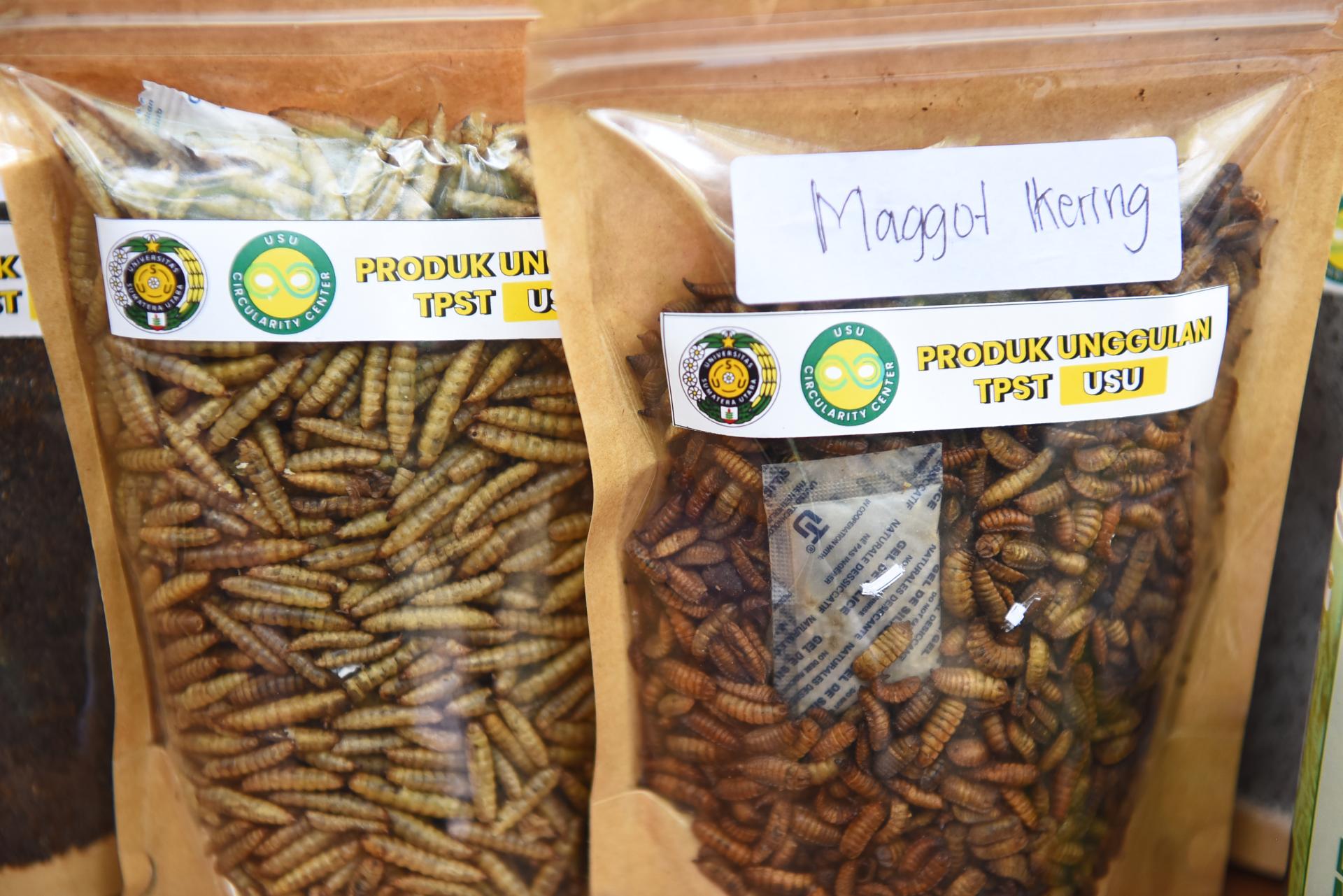
Within this context, USU's Integrated Waste Processing Facility is regarded as a promising model of circular economy-based waste management that can be further developed through collaboration. Beyond processing campus waste, the TPST also serves as a center for research, education, and the downstream development of waste-derived products, including compost, maggots, maggot meal, kasgot (insect frass fertilizer), Refuse-Derived Fuel (RDF), pyrolysis fuel, and a digital waste management recording application.
Head of BTN's Sumatra Regional Office, Vidy Aryo Fajar, stated that the visit to the TPST represented an important first step in exploring collaborative opportunities aligned with BTN's sustainability agenda.
"BTN is committed to continuously advancing sustainability programs that deliver tangible benefits to both communities and the environment. Guided by our 5P Principles, we aim to ensure that every collaboration generates not only economic impact but also strengthens social responsibility, environmental conservation, and community empowerment. USU's TPST model is particularly compelling because it integrates education, technology, and the circular economy within a single ecosystem that can be replicated," said Vidy.
He added that BTN's experience in developing circular economy initiatives—including programs that transform waste into economic value for local communities—closely aligns with the waste management model developed by USU.