


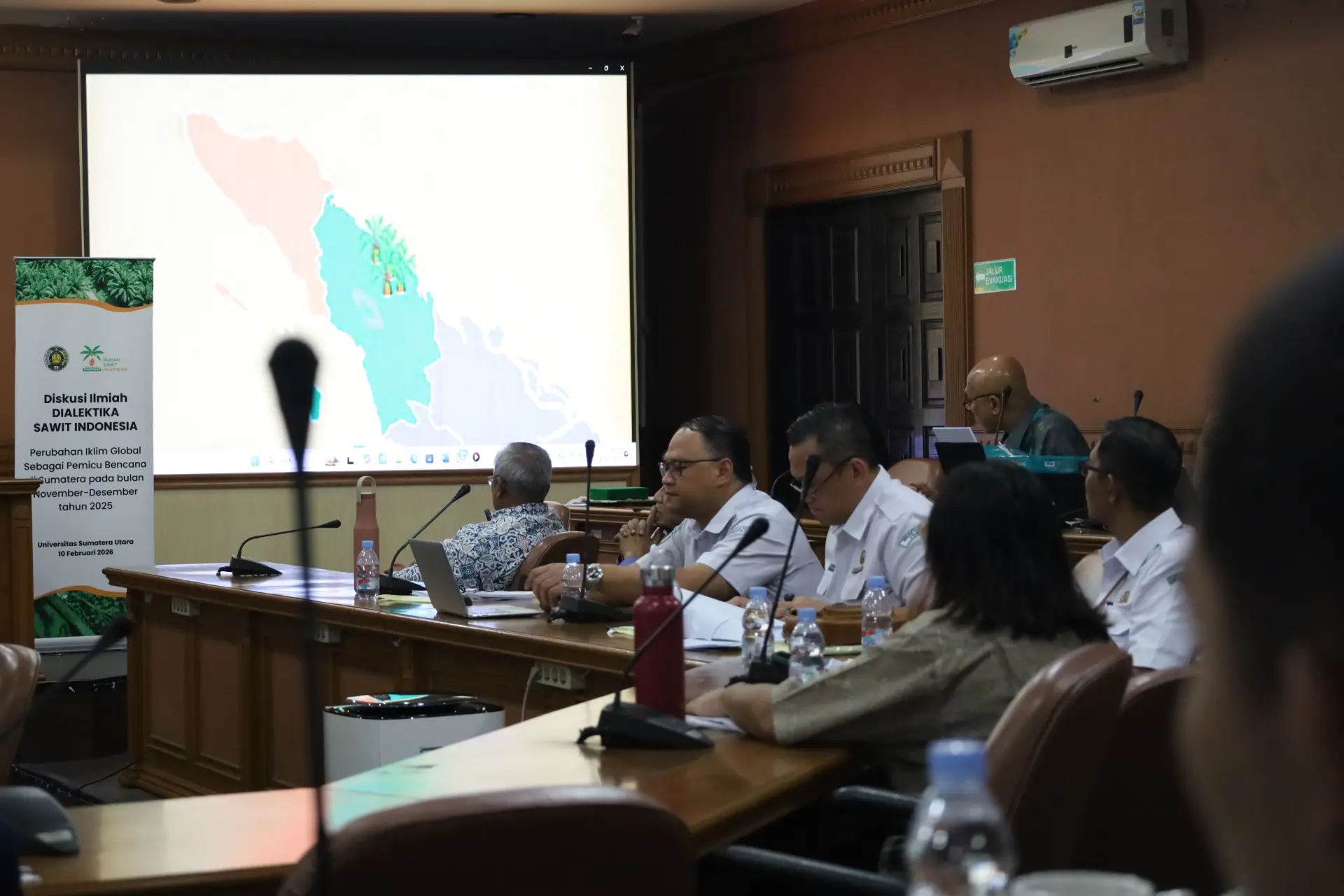
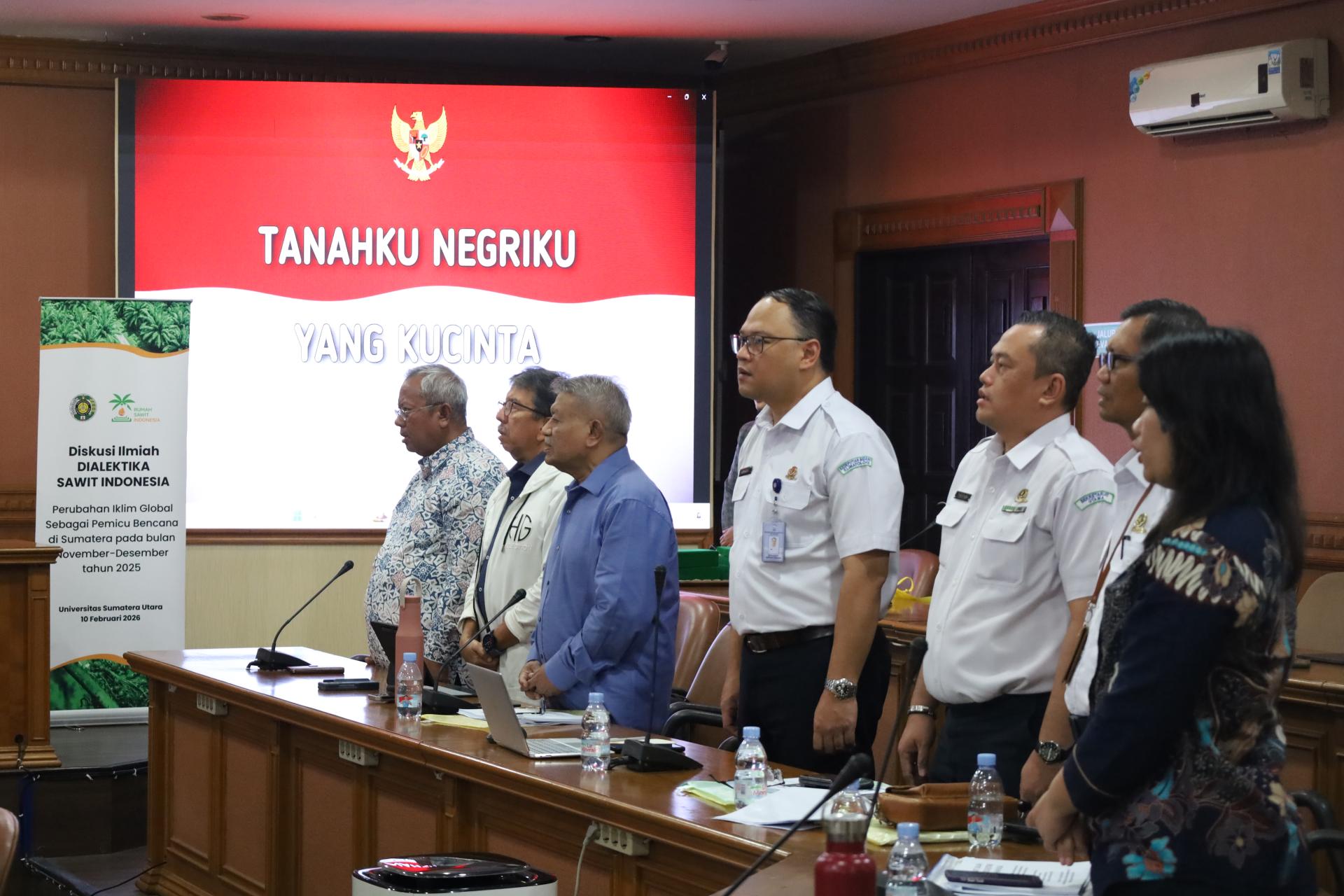
The discussion was officially opened by the Vice Rector for Research, Community Service, and Cooperation of USU, Poppy Anjelisa Zaitun Hasibuan. In her opening remarks, she emphasized that the forum was not merely an academic space, but a shared platform for reflection to address the major challenges faced by the people of Sumatra.
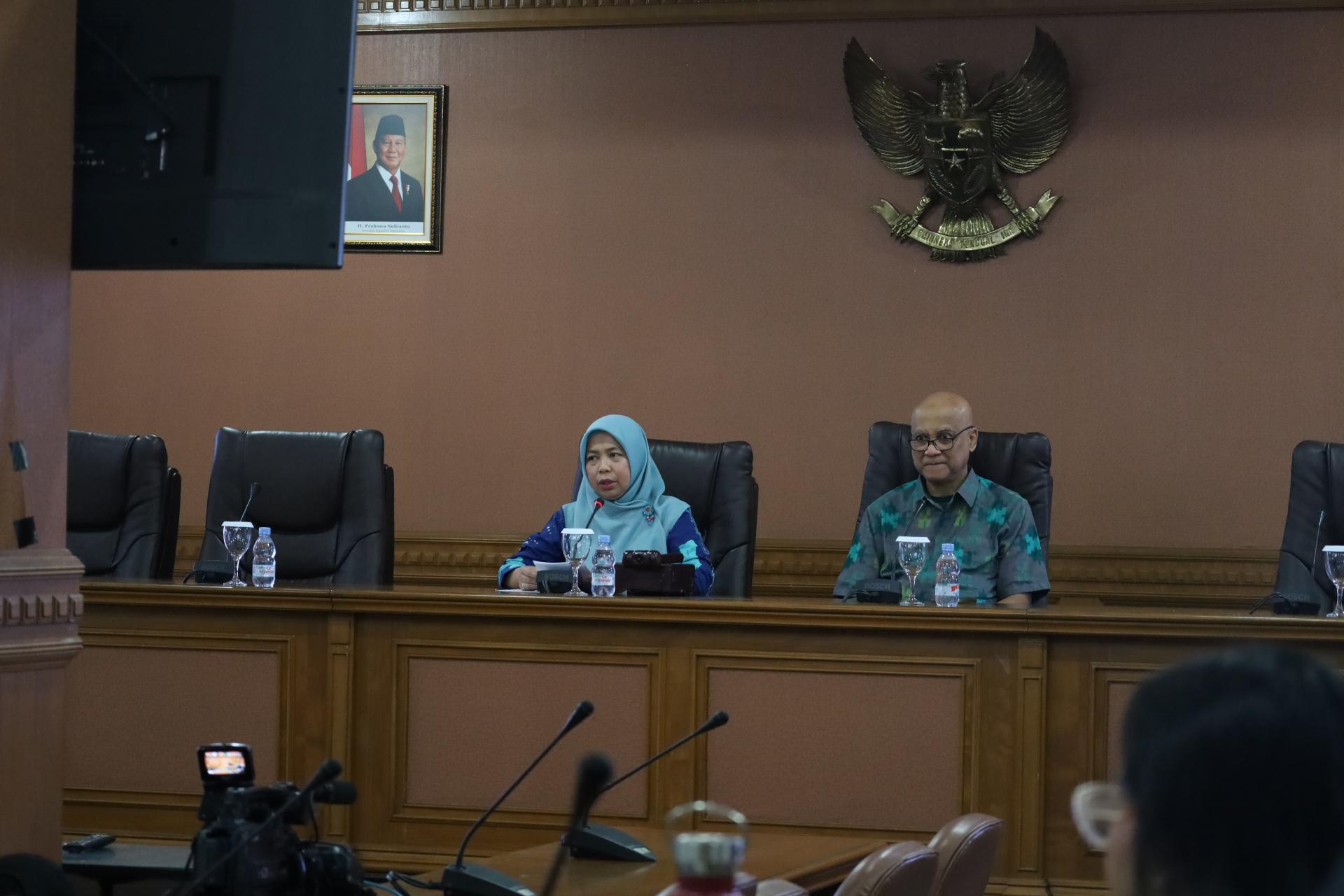
“This forum is not just an academic space, but also a shared space for reflection on the major challenges we face as a nation and as the people of Sumatra. We seek to find common ground between accusations against oil palm plantations as the cause of environmental imbalance and the realities and facts on the ground,” Prof. Poppy stated.
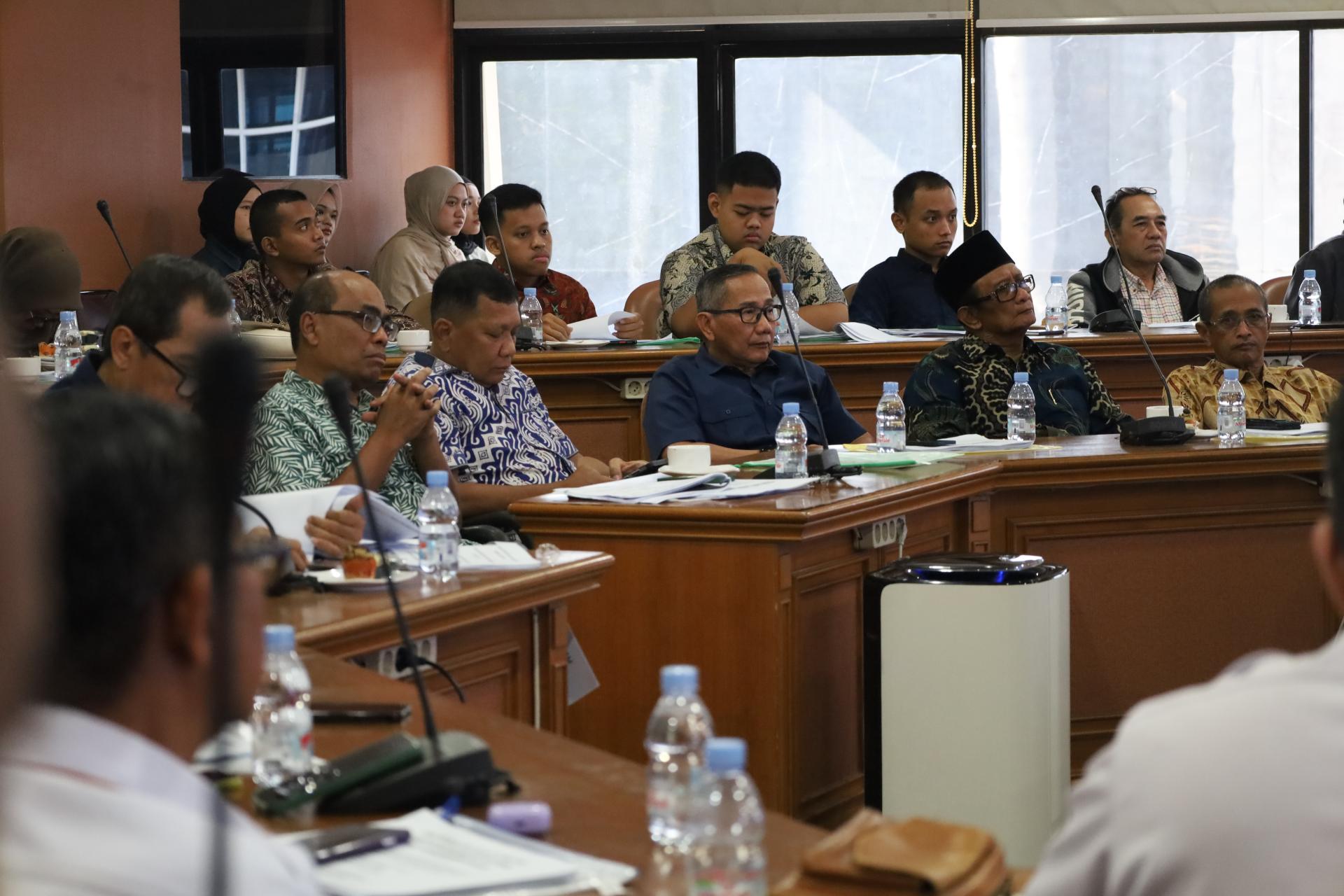
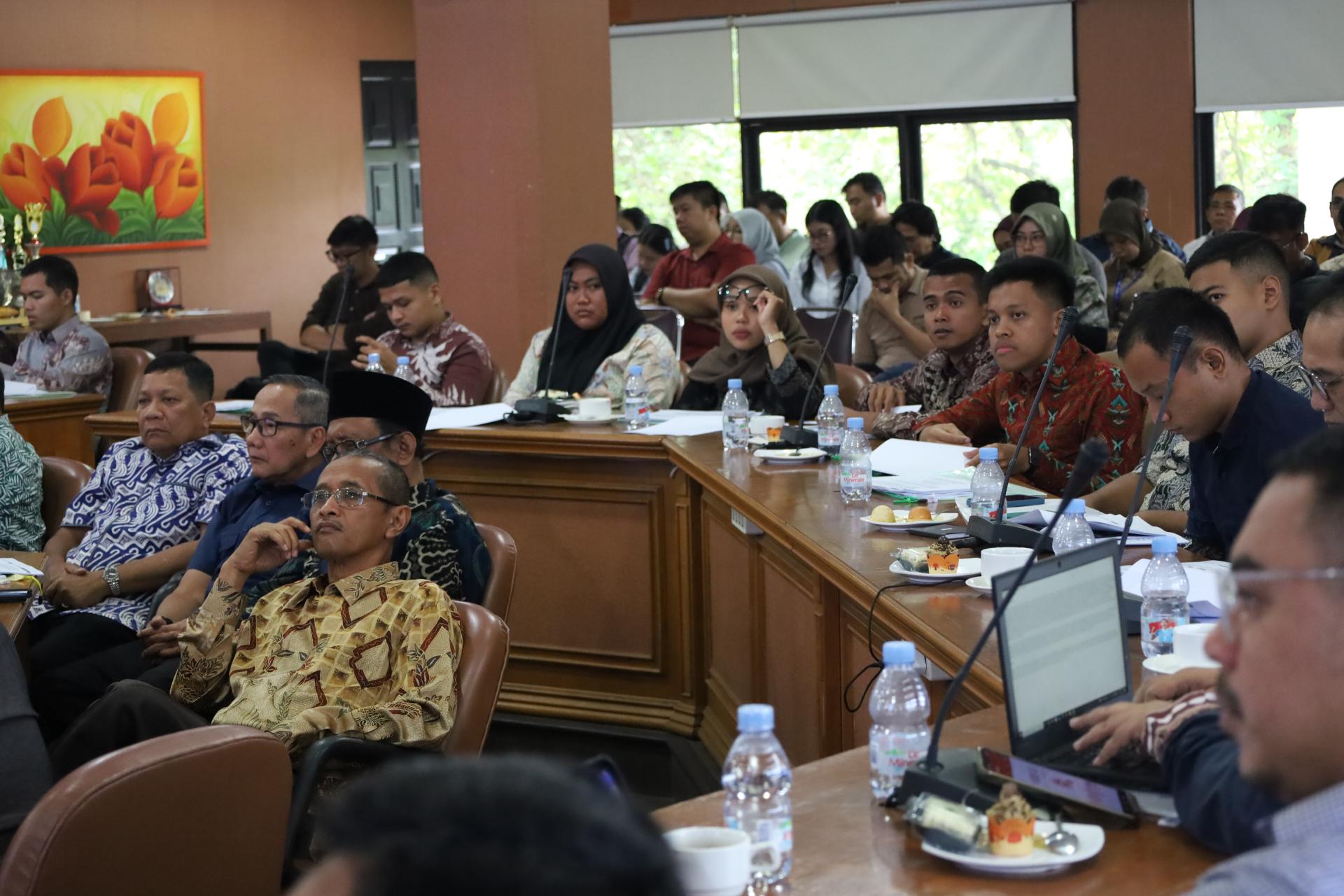
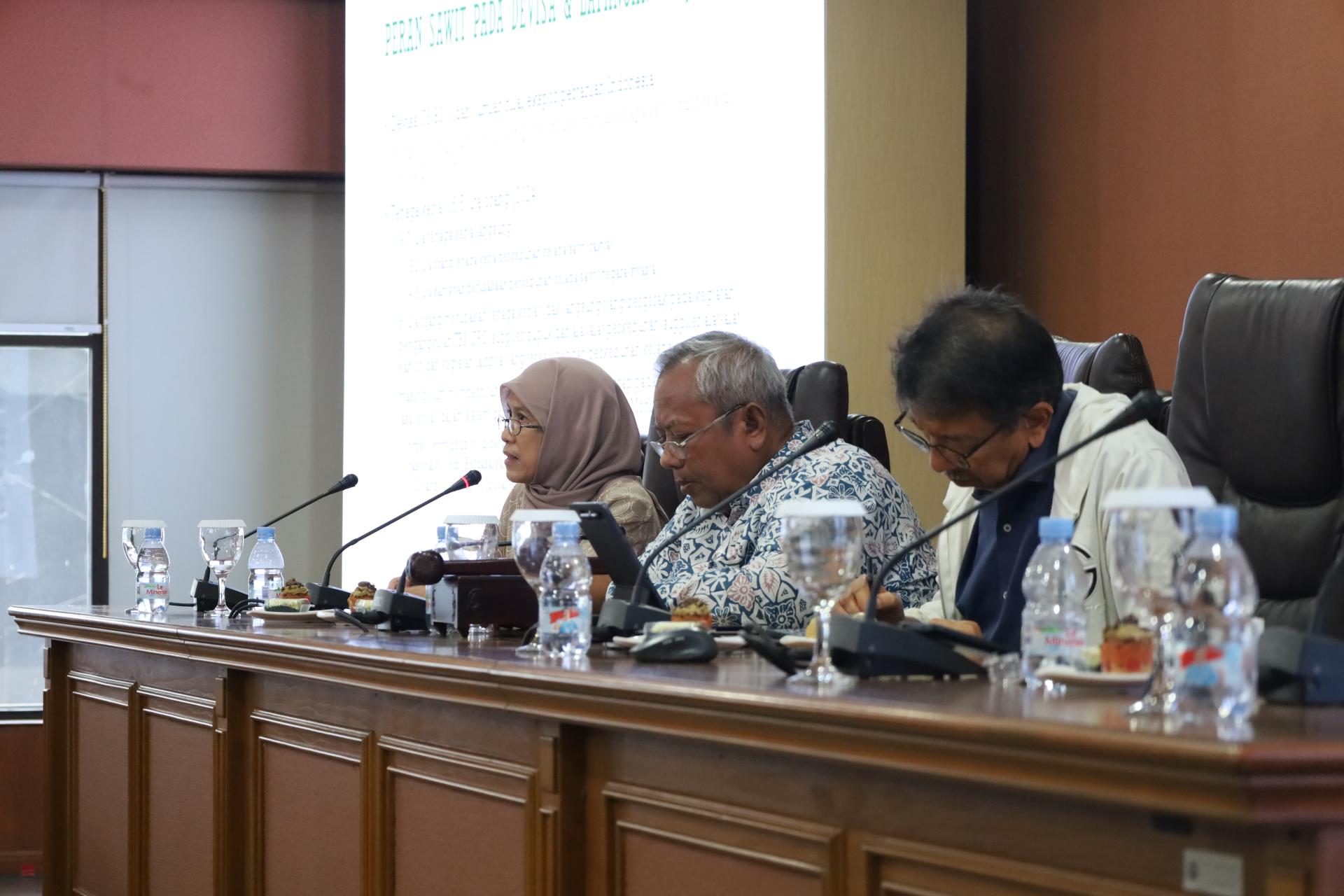
The discussion featured speakers from diverse scientific backgrounds, including Ardhasena Sopaheluwakan from BMKG, Abdul Rauf, and Diana Chalil. The forum was also attended by the Chair of GAPKI North Sumatra Branch, the Chairperson of Rumah Sawit Indonesia, faculty leaders, lecturers, students, and environmental advocacy communities.
During the discussion, the major floods that occurred across several regions of Sumatra in 2025 became a central focus. Participants expressed a range of perspectives on the contributing factors. Some argued that public controversy surrounding oil palm plantations stems not solely from the commodity itself being viewed as the primary cause of disasters, but rather from expansion policies and governance practices that have not fully accounted for environmental balance.
On one hand, the palm oil sector is often accused of exacerbating ecosystem imbalances and increasing flood risks. On the other hand, the industry makes a significant contribution to the national economy and to the livelihoods of millions of people, including smallholder farmers and workers.
Several participants also emphasized that the 2025 floods in Sumatra cannot be simplistically attributed to the presence of oil palm plantations alone. From this perspective, flooding must be understood within a broader context, including regional climate cycles, the intensity of extreme rainfall, shifts in global weather patterns, as well as hydrological conditions and spatial planning.
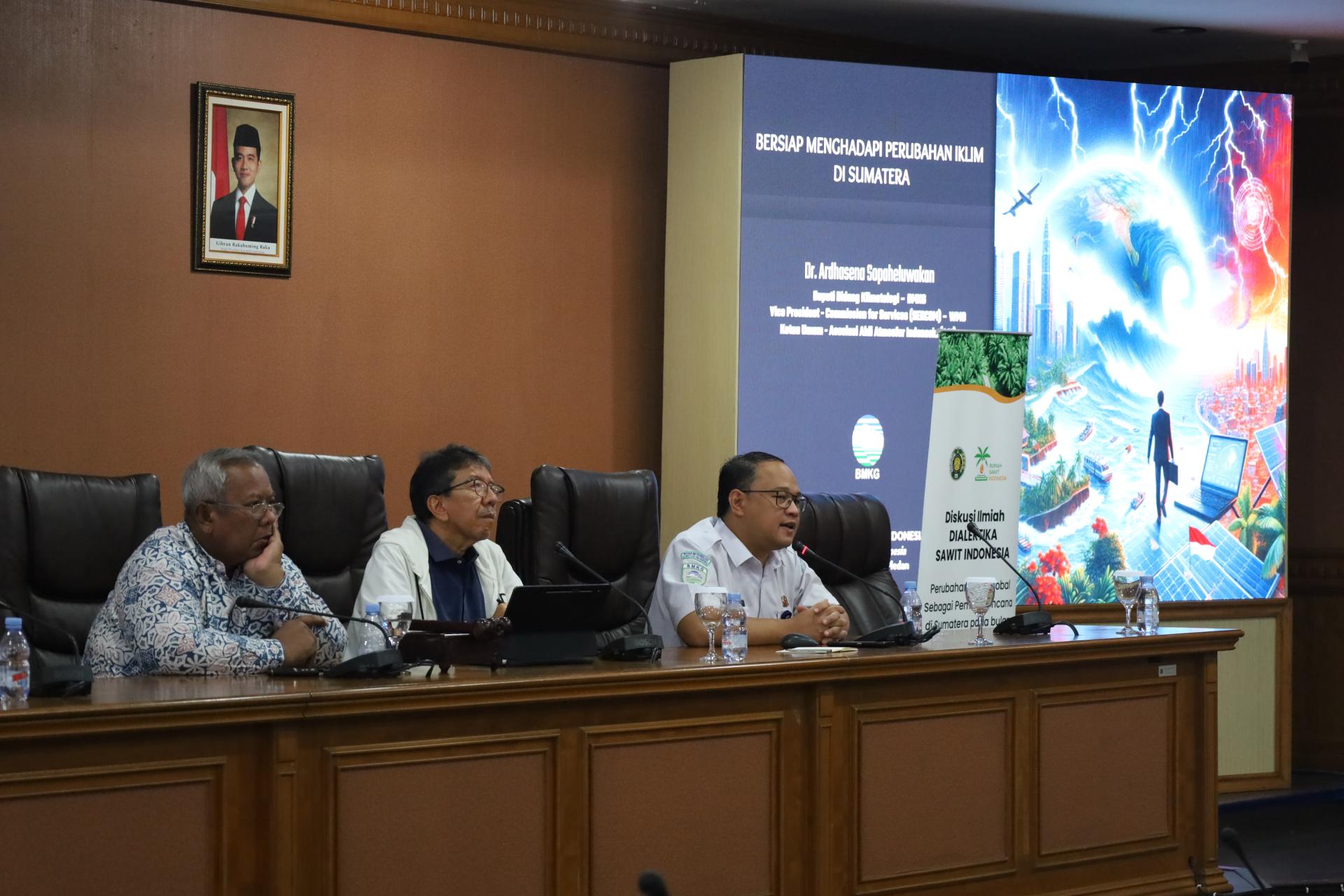
The discussion further highlighted the linkage between global climate change and the increasing frequency and intensity of hydrometeorological disasters. Data presented indicated that weather anomalies and heightened extreme rainfall have significantly contributed to flood risks, particularly in areas experiencing substantial land-cover change.
Beyond climatic factors, deforestation and changes in forest land functions were also addressed. Several participants stressed the importance of comprehensive land-use evaluations and the implementation of sustainable plantation management practices to minimize environmental risks.
“Climate change interacts with various local factors, such as land use, hydrological systems, regional planning, and natural resource management practices. Therefore, this discussion must be framed objectively within a scientific, data-driven, and open approach,” Prof. Poppy explained.
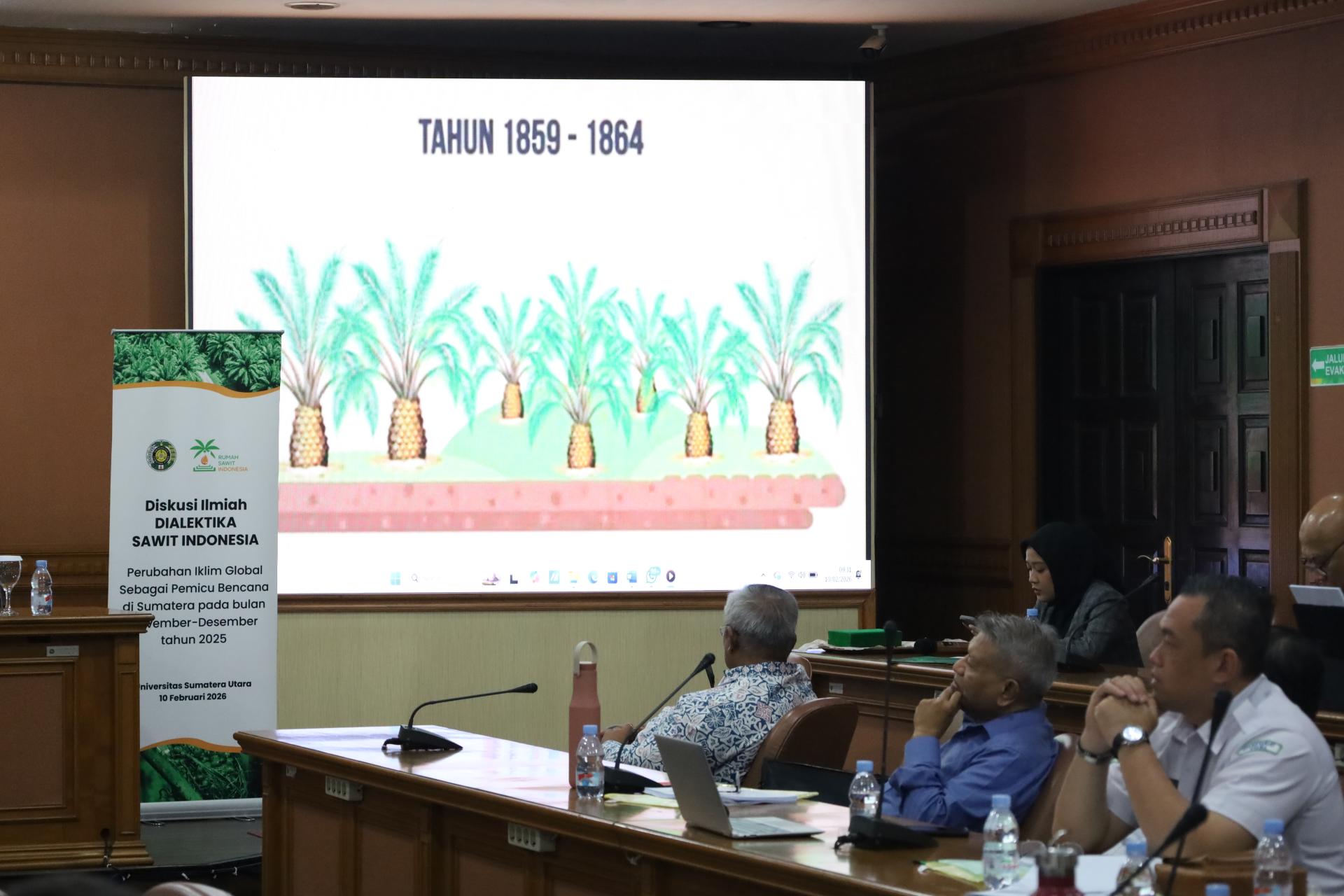
Through this forum, USU hopes to generate evidence-based policy recommendations and collaborative models involving academia, government, industry, and society. A multidisciplinary approach was deemed essential to identifying risk factors that can be mitigated through policy, technology, and more sustainable environmental management practices.
The activity reflects USU’s commitment to hosting scientific forums that are responsive to strategic national and regional issues. The discussion is expected not only to address public debate, but also to strengthen regional resilience against future disaster risks.