USU Strengthens Laboratory Service System through Technical Coordination Meetings with Faculties
Published At
22 August 2025
Published By
-
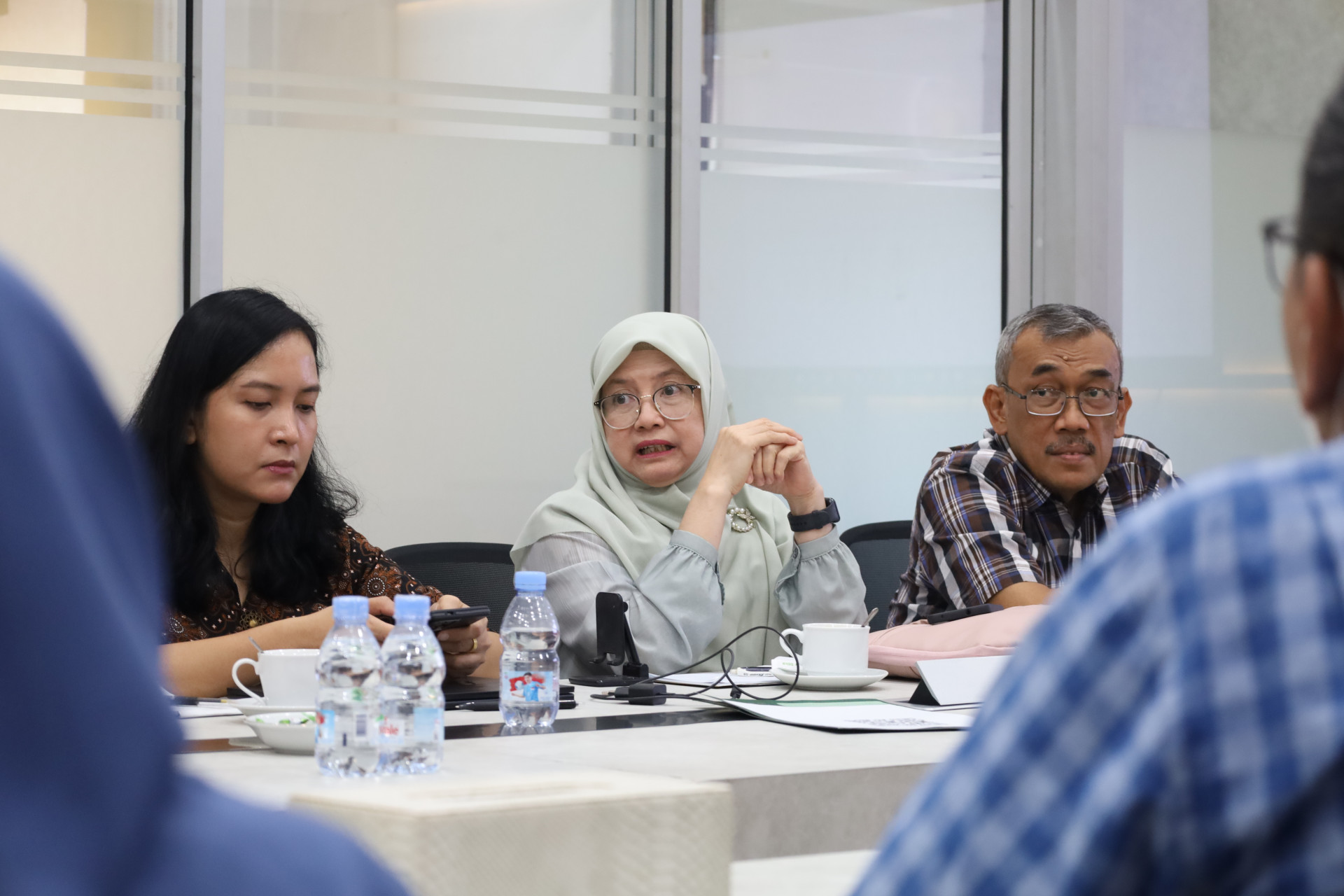
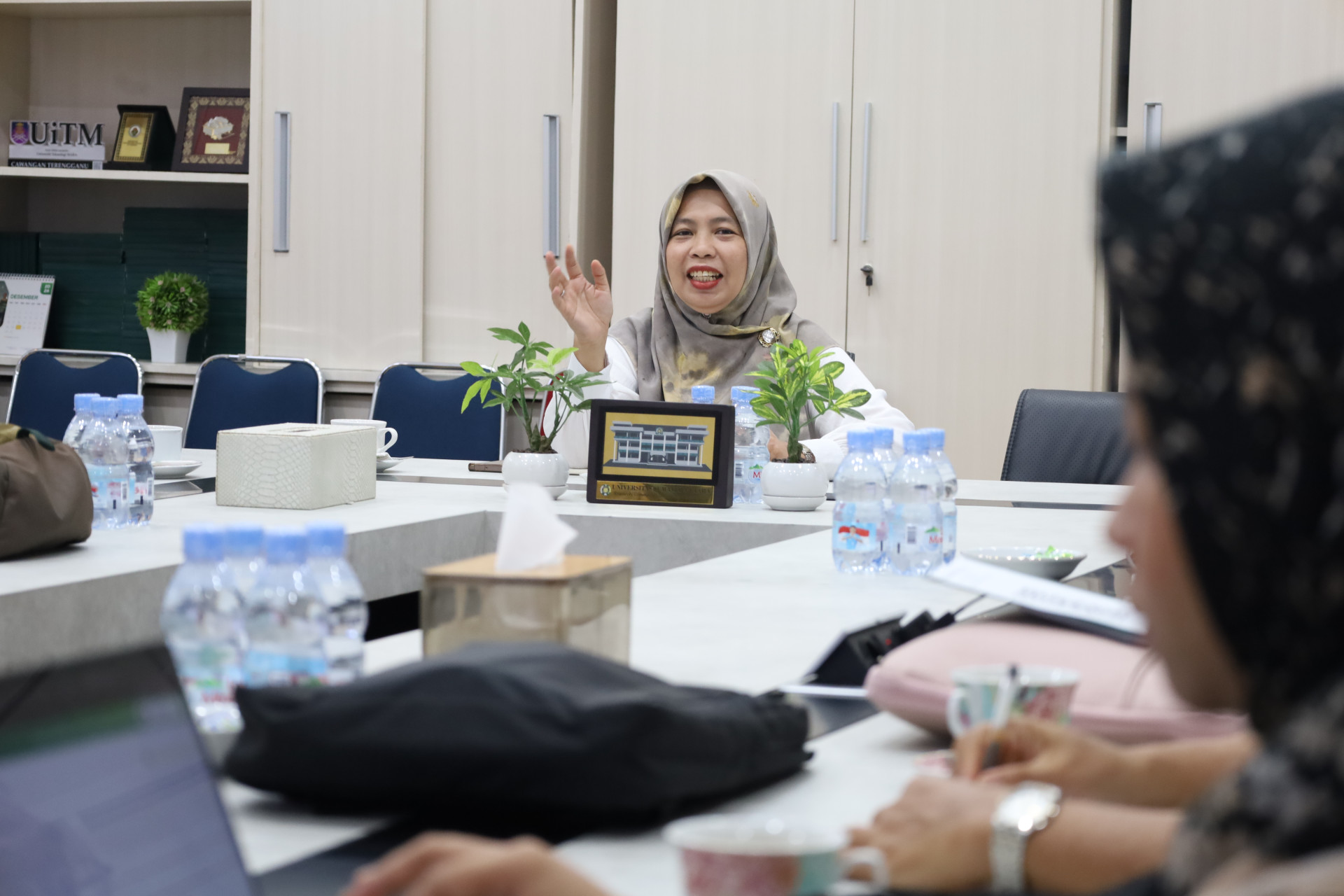
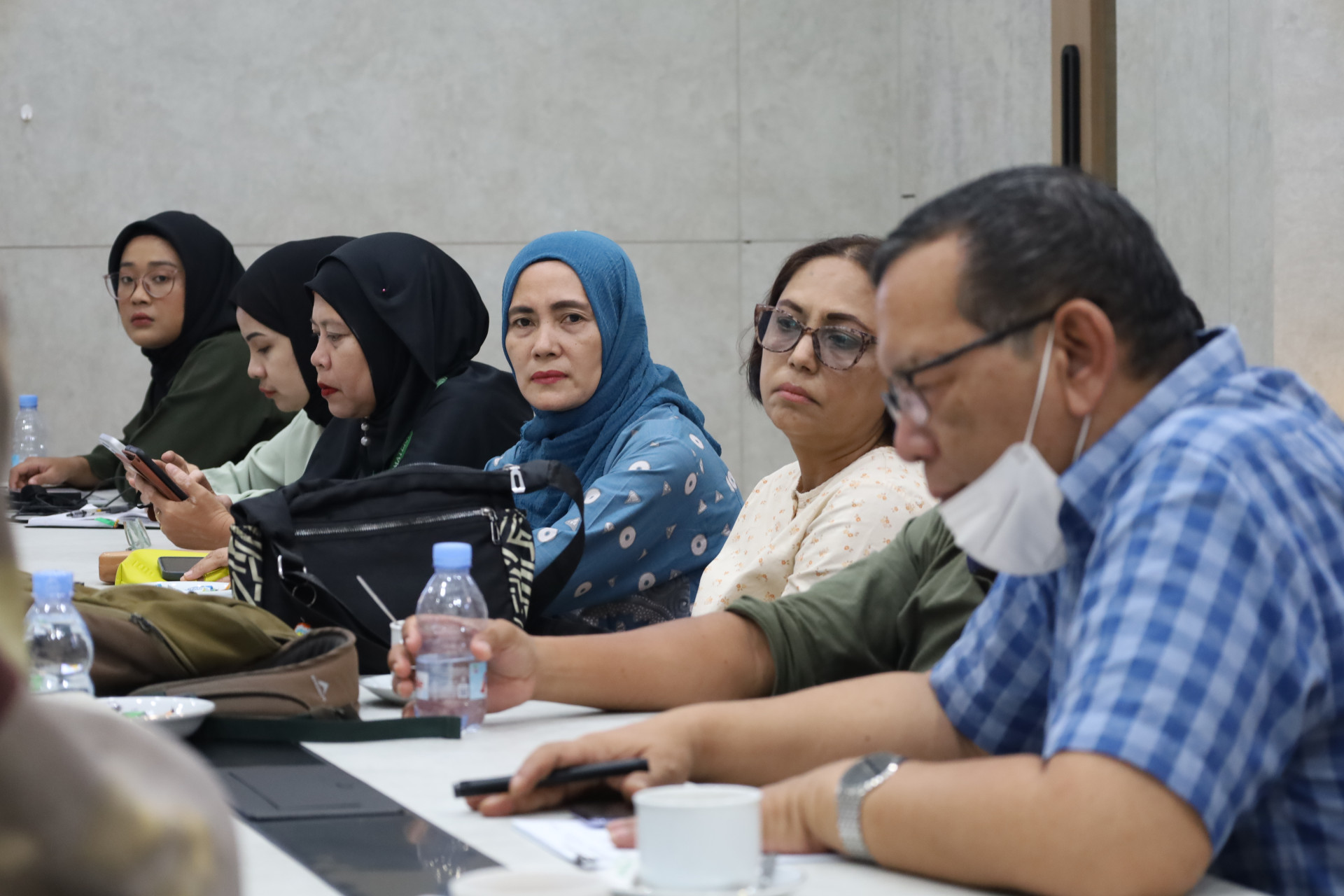
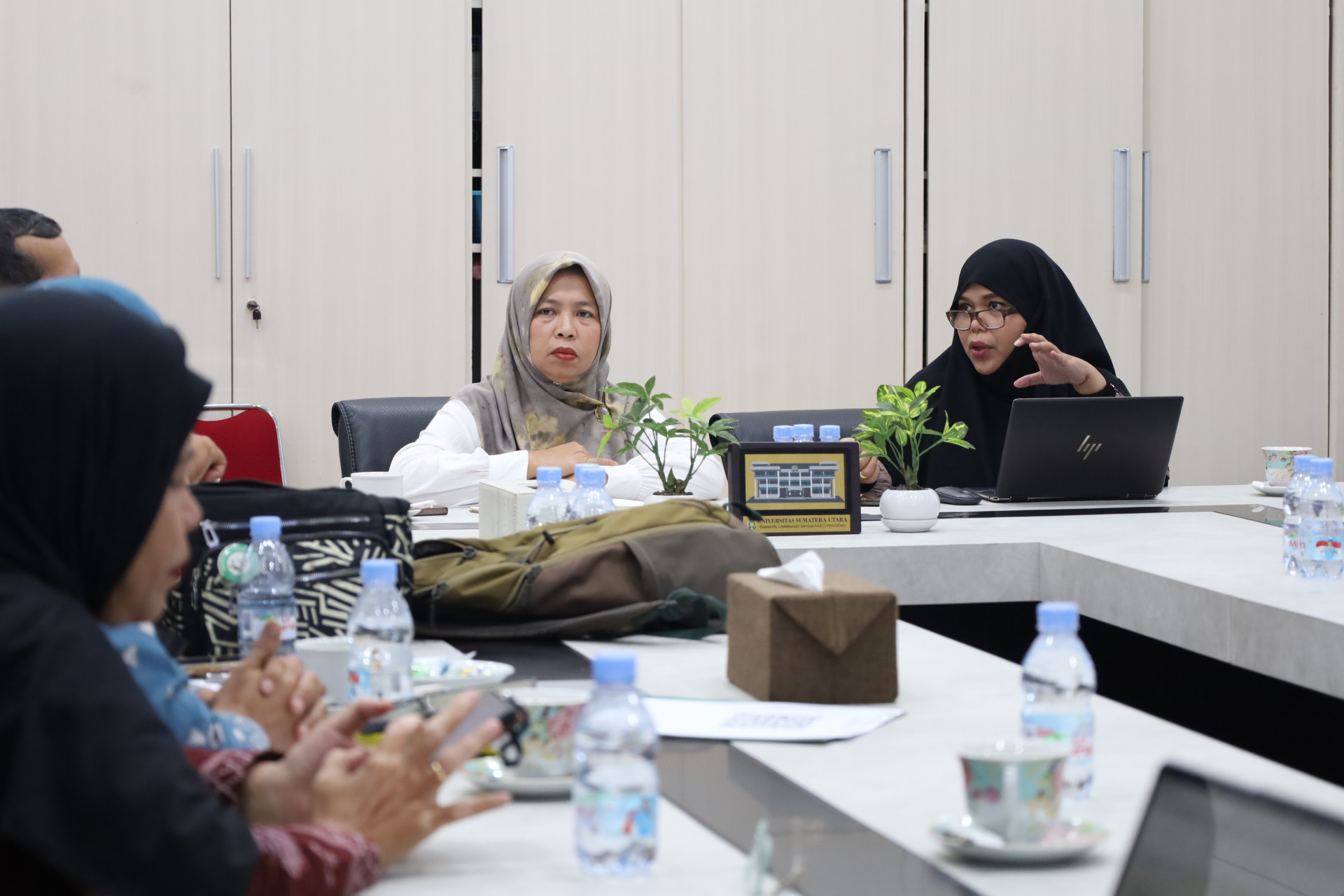
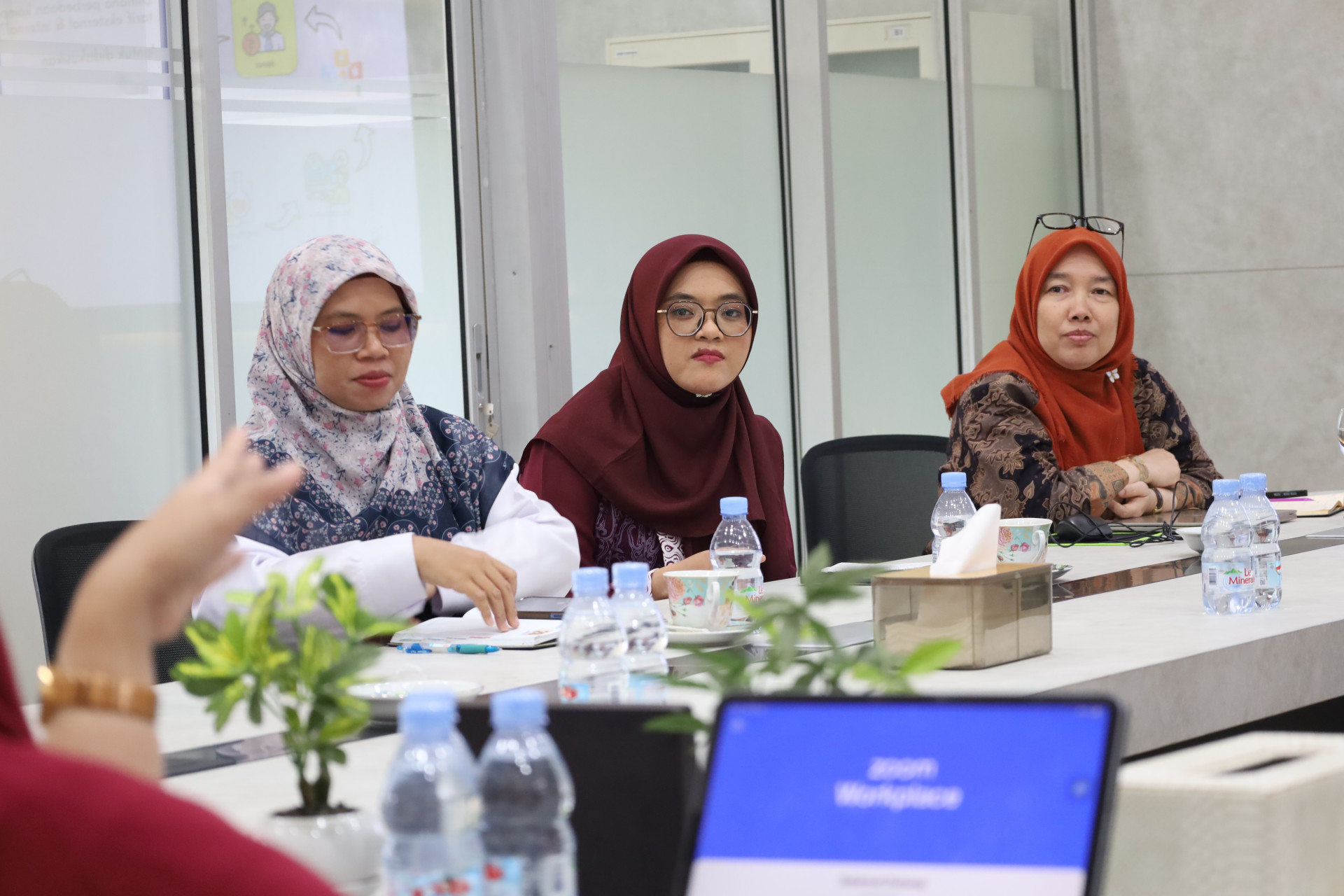
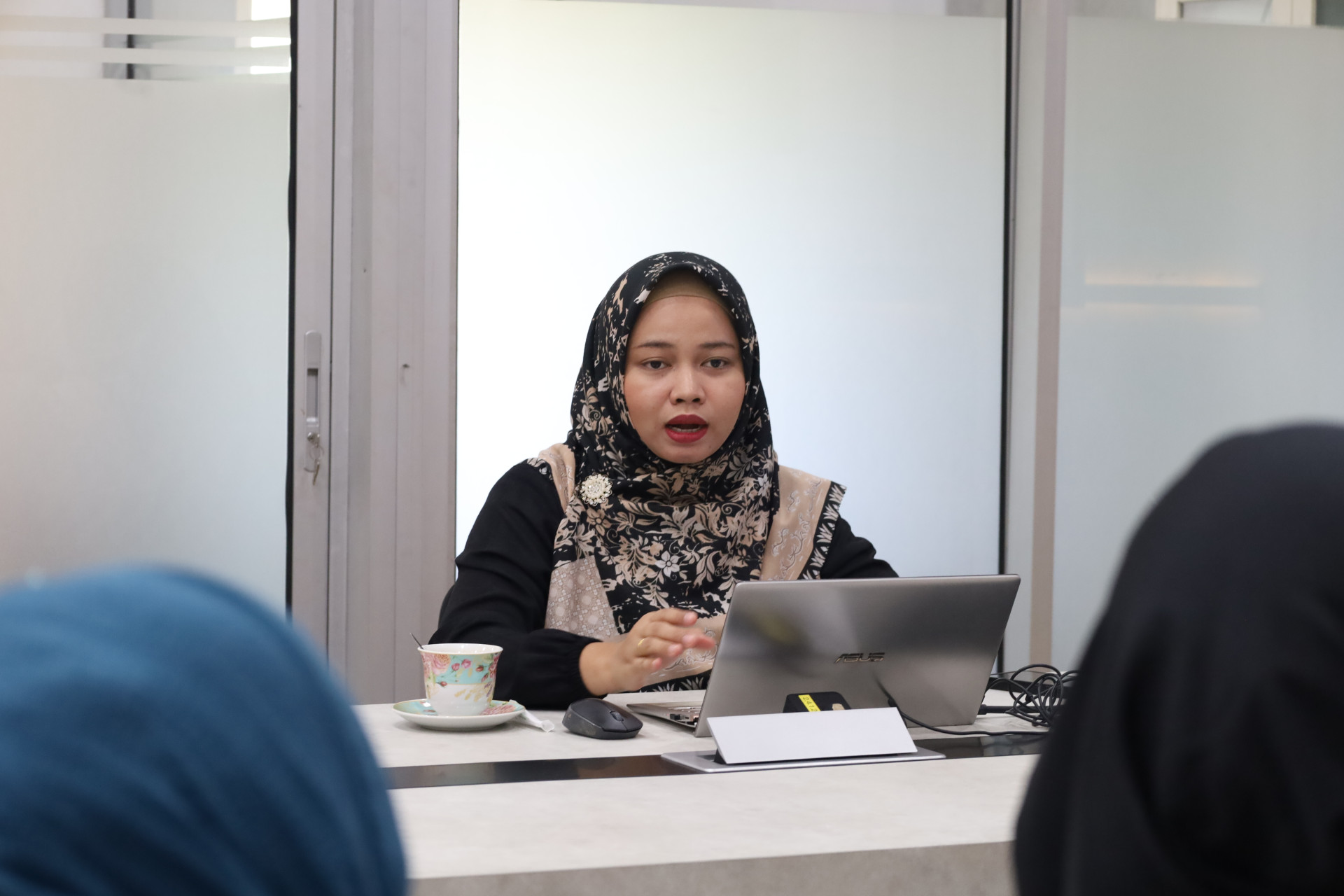
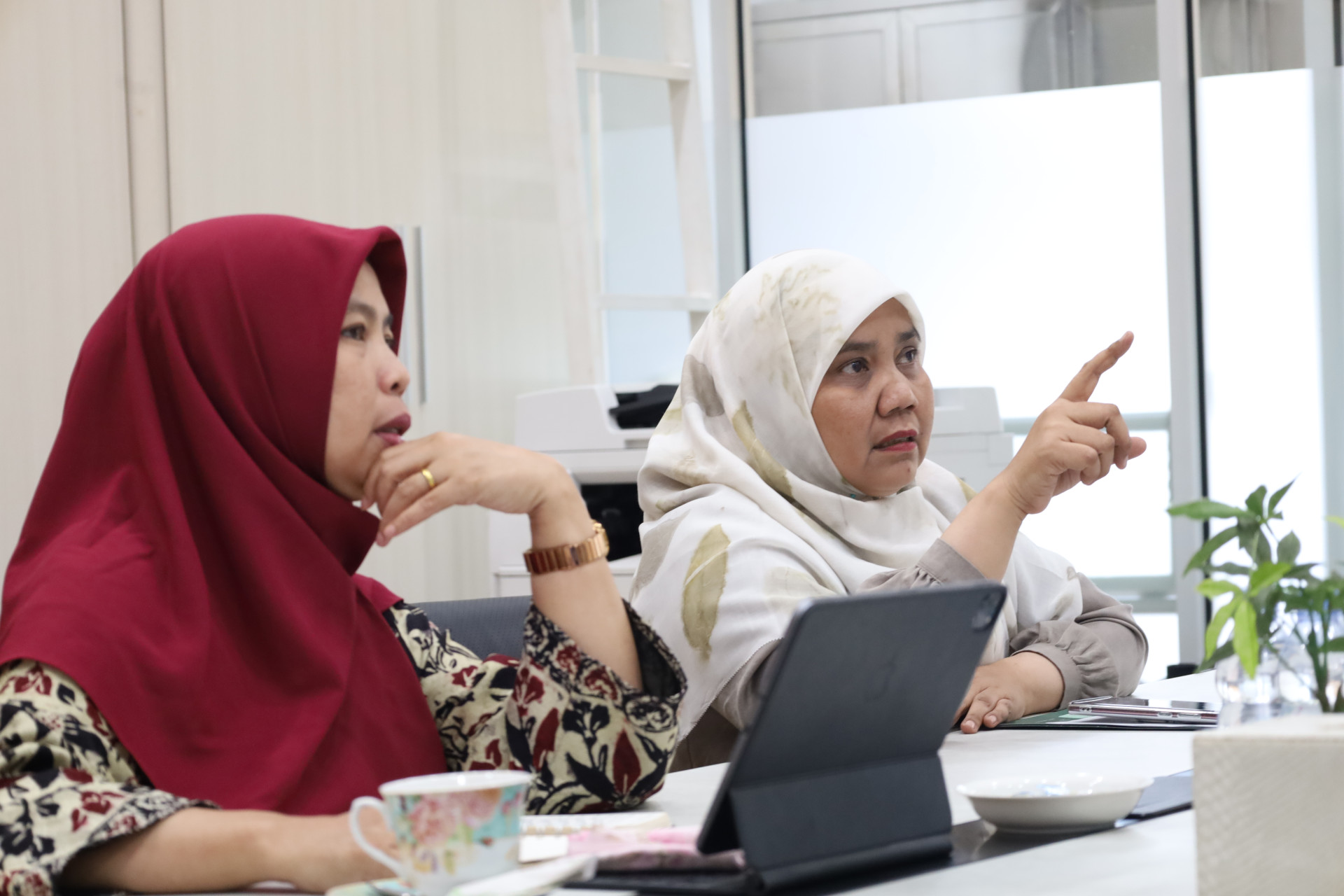
Universitas Sumatera Utara (USU), through the Directorate of Internationalization and Global Partnership (DIKG), held a series of technical coordination meetings to enhance laboratory service management in collaboration with its faculties. The first meeting took place on Tuesday (August 19, 2025) with the Faculty of Agriculture, followed by the second meeting on Wednesday (August 20, 2025) with the Faculty of Pharmacy. Both meetings were held in the EQUITY Meeting Room, 3rd Floor of the Rectorate Building, and were chaired by USU’s Vice-Rector for Research, Community Service, and Collaboration, Prof. Dr. Poppy Anjelisa Zaitun Hasibuan, S.Si., M.Si., Apt.
The meetings were attended by faculty leadership, heads of laboratories, lecturers, and administrative staff from both faculties. The main focus of discussion included laboratory management, equipment procurement, administrative systems, and the utilization of laboratory-generated revenue to support the sustainability of services.
Prof. Poppy emphasized the importance of laboratories as centers of education and research that must be managed professionally. “A laboratory is not merely a place for student practicums, but also a hub for research and innovation. With accountable management, laboratories can generate tangible impacts—both for scientific development and the university’s sustainability,” she stated.
In the meeting with the Faculty of Agriculture, discussions focused on the management of nine laboratories with 51 operating instruments. Laboratory heads were granted the authority to allocate and spend budgets according to approved needs, including equipment maintenance, procurement of consumables, and improvement of supporting facilities.
Meanwhile, during the meeting with the Faculty of Pharmacy, discussions centered on funding mechanisms for equipment procurement. The faculty representatives noted that most of the university’s budget has been allocated to routine needs such as gas, electricity, and accreditation requirements.
Both meetings concluded with an agreement that revenue from laboratory services would be prioritized for equipment maintenance, purchase of spare parts, utility repairs, procurement of consumable materials, and the organization of workshops. In addition, the university’s newly developed digital laboratory management system will soon be implemented, enabling more transparent and efficient processes for data entry, honorarium payments, and utility cost allocations.
Participants from both the Faculty of Agriculture and the Faculty of Pharmacy also highlighted the importance of conducting system trial simulations prior to full implementation. The initial simulation will involve a single sample, which will later be expanded to a full-scale rollout.
Through these technical coordination meetings, USU aims to optimize the role of faculty laboratories as centers for learning, research, and university income generation. “Our goal is to ensure laboratories are managed professionally, provide high-quality services, and strengthen USU’s reputation as an internationally recognized research university,” concluded Prof. Poppy.