


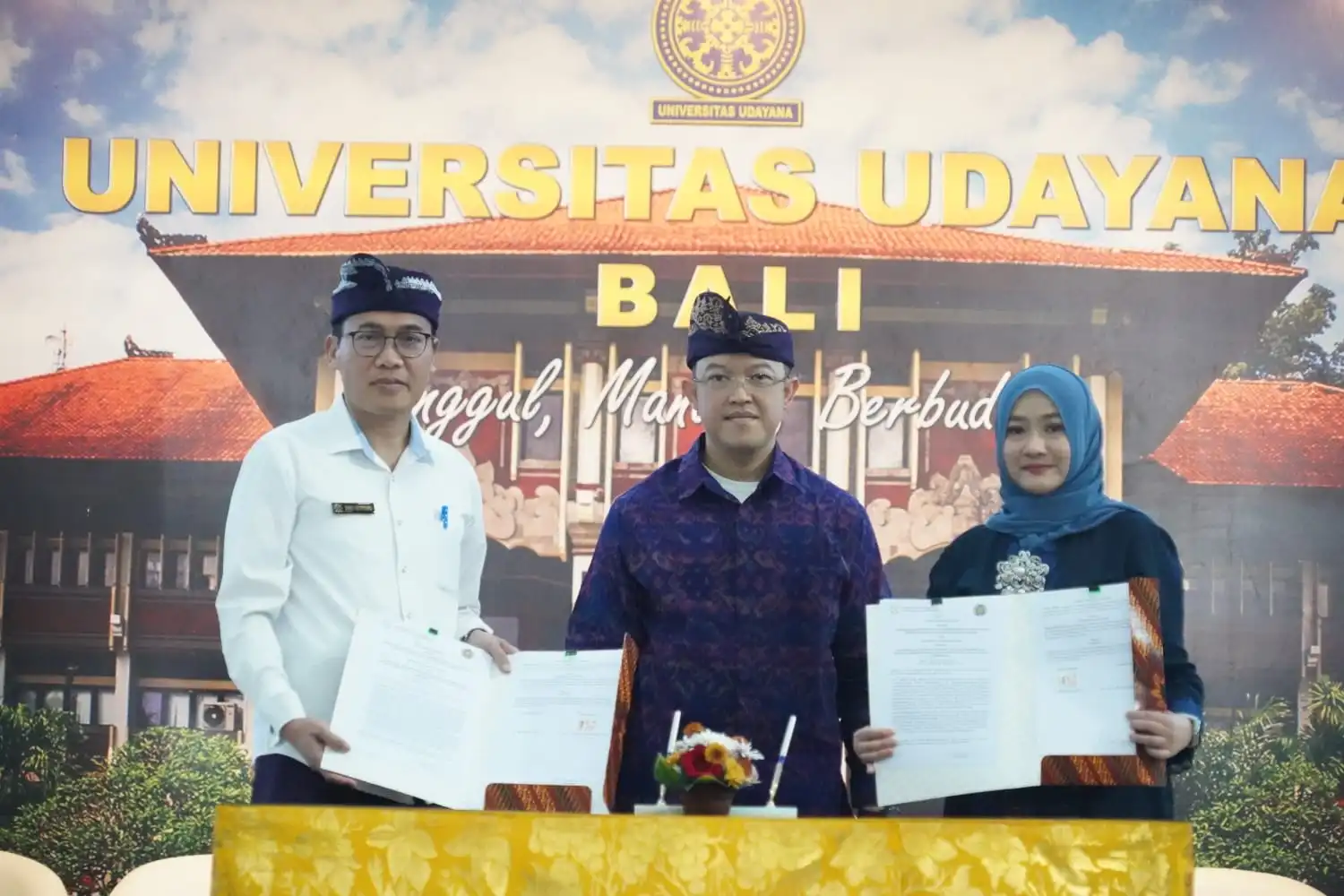
Universitas Sumatera Utara (USU) has reinforced its contribution to national population development by actively participating in the Higher Education Consortium for Population Concerns (PTPK), an initiative led by the BKKBN (Ministry of Population and Family Development). This involvement was marked by USU’s participation in the 2026 National Population Symposium held at Universitas Udayana, Bali, on Thursday (April 23, 2026).
During the event, USU was among the universities that signed a Memorandum of Understanding (MoU) and Cooperation Agreement (PKS) with the ministry, demonstrating its commitment to supporting priority programs in Indonesia’s population development agenda. This step further highlights USU’s strategic role in strengthening academic contributions to data-driven and research-based population policy planning and implementation.
The Secretary of the Ministry of Population and Family Development/BKKBN, Budi Setiyono, emphasized the importance of collaboration between the government and higher education institutions. “We invite universities to jointly develop action plans that accelerate the implementation of population development targets,” he stated, adding that university involvement should extend beyond planning to include implementation and continuous evaluation.
Through this consortium, universities—including USU—will play an active role in formulating and implementing the Population Development Roadmap (PJPK) across regions. They are also expected to provide academic-based assistance and conduct comprehensive evaluations of development outcomes.
.jpeg)
Budi Setiyono further noted that the consortium serves as a strategic platform to address current issues related to population dynamics, reproductive health, and family development.
In a broader context, USU’s involvement aligns with the national vision of achieving Indonesia Emas 2045. The government has established a population development framework consisting of 30 key indicators covering population quality, quantity, and distribution. In this regard, universities play a crucial role in ensuring that policies are effectively implemented on the ground.
Secretary General of the Ministry of Higher Education, Science, and Technology, Badri Munir Sukoco, also highlighted the importance of higher education institutions’ involvement in aligning education systems with national development needs. He stated, “What we produce through higher education must be relevant to industry needs and able to support the achievement of Indonesia Emas 2045.”
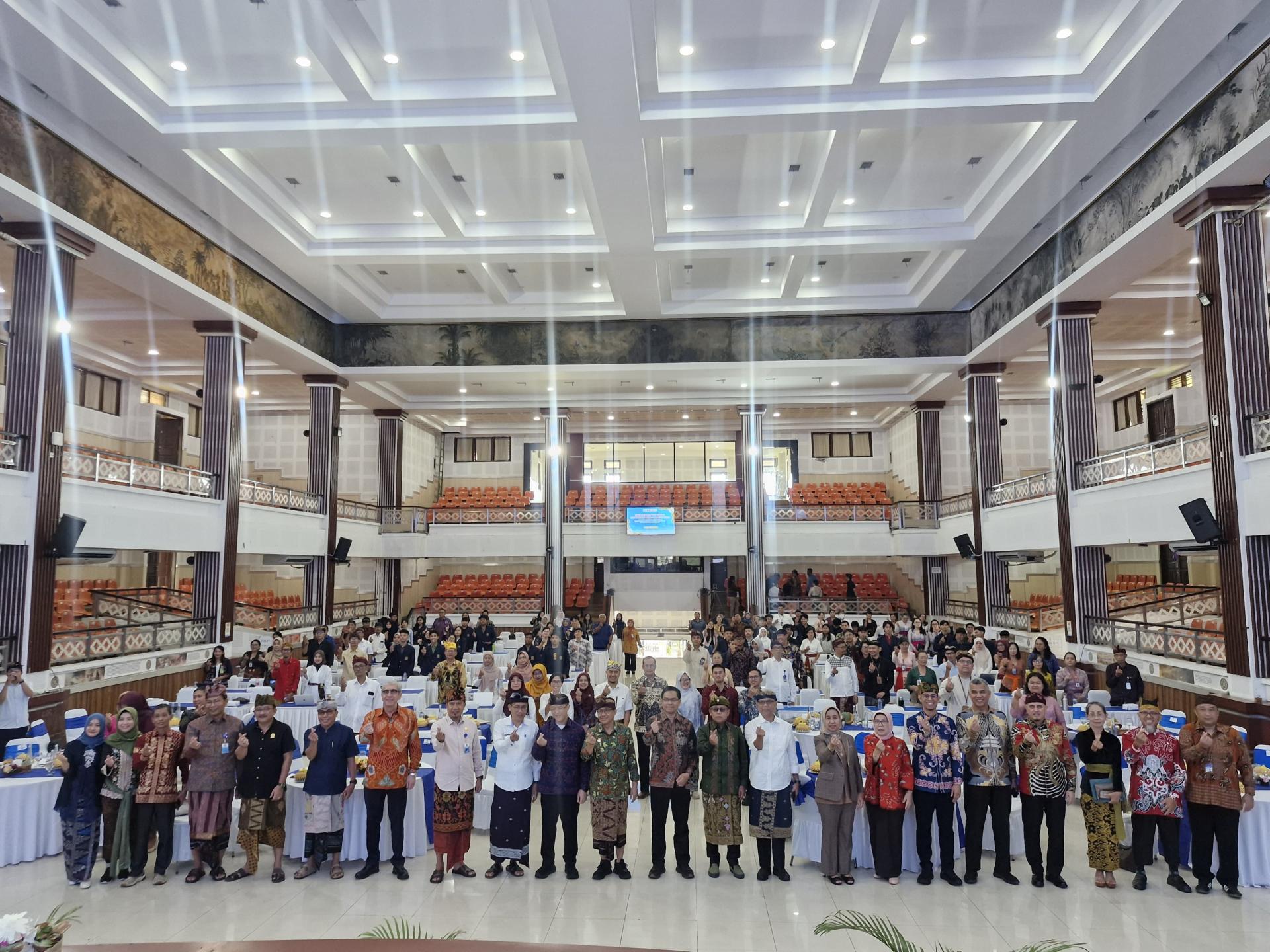
Furthermore, he emphasized the challenge of a mismatch between university graduates and industry demands. “While the demographic bonus is widely promoted, if higher education—which is expected to lead us toward becoming a developed nation—is not aligned with future economic growth needs, there will inevitably be a mismatch,” he added.
USU’s active participation in the PTPK consortium is expected to further strengthen its role in contributing to national development, particularly in population and family development sectors. Through a collaborative approach between academia and government, USU continues to promote adaptive, research-based, and sustainable policy development.
Through this partnership, USU reaffirms its commitment not only as an educational institution but also as a strategic partner of the government in addressing population challenges in Indonesia, while supporting inclusive and sustainable development.